
Laser tattoo removal in Sharjah

Fade or remove an unwanted tattoo with a plan built for your skin and ink.

Personalised laser tattoo removal for black, coloured, professional, amateur and cosmetic tattoos using medical-grade 1064 nm Nd:YAG technology at Samnan Medical Center in Sharjah.

Complete or partial fading
Tattoo-specific settings
Sharjah clinic
Black & coloured ink
Tailored consultation

Skin, tattoo colour, depth and treatment area assessed first

Dual wavelength

Multiple wavelengths for different tattoo pigments

Comfort-focused

Clear guidance before and after treatment

Convenient access

Located in Sharjah with flexible booking

Why patients choose laser tattoo removal

A safer, controlled way to fade unwanted ink.

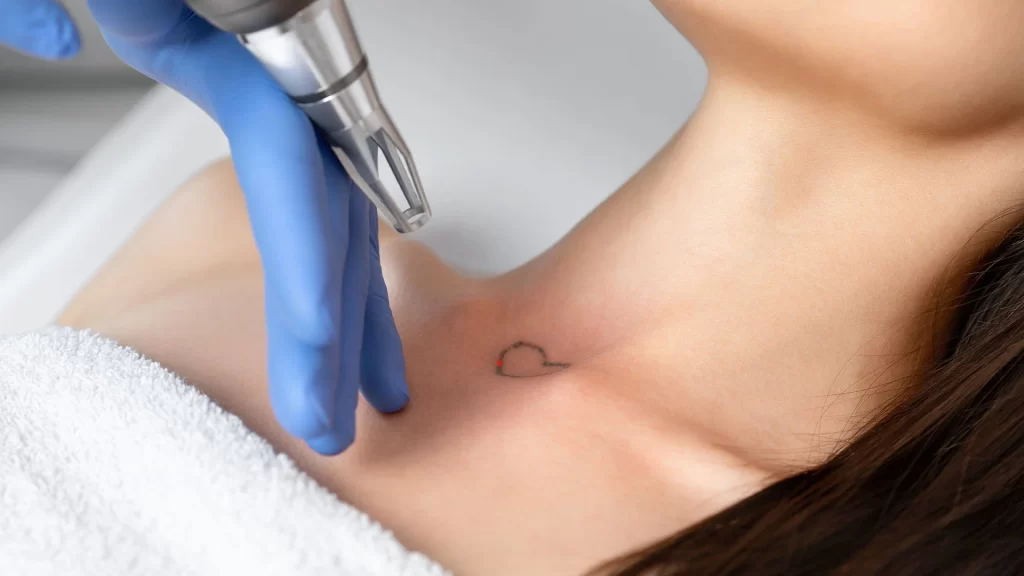
Laser tattoo removal uses short pulses of light energy to target tattoo pigment beneath the skin. The ink is fragmented into smaller particles that the body gradually clears, causing progressive fading over multiple sessions.

 
01

Progressive tattoo fading

Each session can break down more ink pigment, allowing gradual fading over the following weeks. Results vary.

02

Targeted pigment removal

Laser energy is directed toward tattoo pigment while treatment parameters are adjusted to protect the surrounding skin.

03

Suitable for many tattoo types

Black, blue, green, red, professional, amateur and cosmetic tattoos can be assessed for treatment.

04

Personalised approach

Settings are selected according to skin tone, tattoo colour, ink density, depth, age and treatment area.

Tattoo-removal laser technology

Different tattoo pigments require different laser wavelengths.

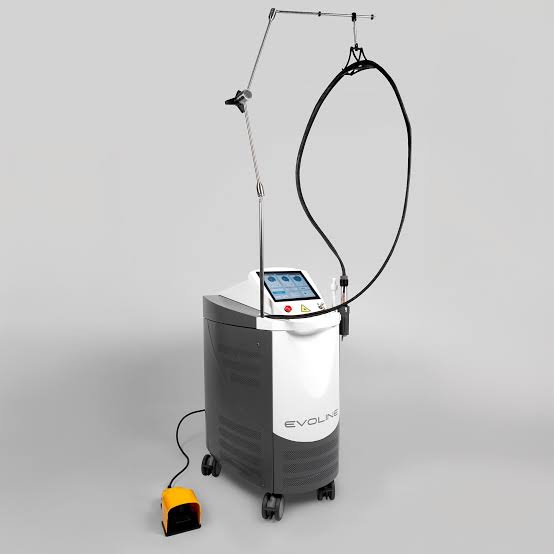
The tattoo-removal platform used at Samnan Medical Center delivers short, high-energy laser pulses that fragment tattoo pigment. The practitioner selects the wavelength, fluence and treatment settings after assessing the tattoo and your skin.

Medical team and supervision

Your treatment should be guided by qualified clinical professionals.

Dr. Arjun Kumar oversees patient suitability, clinical protocols and escalation when medical review is required. Laser sessions are performed by trained practitioners according to the clinic’s approved protocols.

600+

Happy Clients.

25+

Years Experience

What to expect

A clear process from tattoo assessment to aftercare.

Your plan should reflect the tattoo’s ink, depth, age, size, location and your skin type—not a fixed package.

01

Consultation

Discuss your removal goal, tattoo history, medical history, medications, previous treatments and expected outcomes.

02

Assessment

The practitioner reviews skin tone, tattoo colours, ink depth, size, treatment area and contraindications.

03

Treatment

The appropriate wavelength and energy settings are selected. Protective eyewear is used while laser pulses target the tattoo pigment.

04

Review

Healing and fading are assessed between sessions, and the treatment plan is adjusted when required.

BEFORE YOUR SESSION

Prepare your skin correctly.

AFTER YOUR SESSION

Protect the treated skin while it heals.

MEDICAL TEAM AND SUPERVISION

A clear process from consultation to maintenance.

Clear answers before you book.

Prepare the treatment area correctly.

Some tattoos can be removed almost completely, while others can only be significantly faded. The outcome depends on ink colour, depth, density, age, location and individual response.

The number depends on tattoo size, colour, depth, density, age, location and your body’s response. Many tattoos require multiple sessions spaced several weeks apart.


Sensation varies by person, tattoo location and laser settings. Many patients compare it to repeated elastic-band snaps. Cooling and topical numbing may be considered when appropriate.


1064 nm Nd:YAG technology may be suitable for a broad range of skin tones when used with carefully selected settings. A consultation and skin assessment are required.

Many coloured tattoos can be treated, but colours respond differently. Black and dark-blue ink often respond best, while green, turquoise, yellow, white and cosmetic pigments may be more difficult.

Sessions are commonly spaced several weeks apart to allow the skin to heal and the body to clear fragmented pigment. The exact interval is determined by the practitioner.

Suitability may be affected by pregnancy, active infection, recent tanning, certain medicines, photosensitivity, keloid tendency or specific medical conditions. A medical history review is essential.

Chat with us