
Home » Laser Treatments in Sharjah » PRP PlASMA TREATMENT

PRP hair treatment in Sharjah

Use your own platelets to support thinning hair.

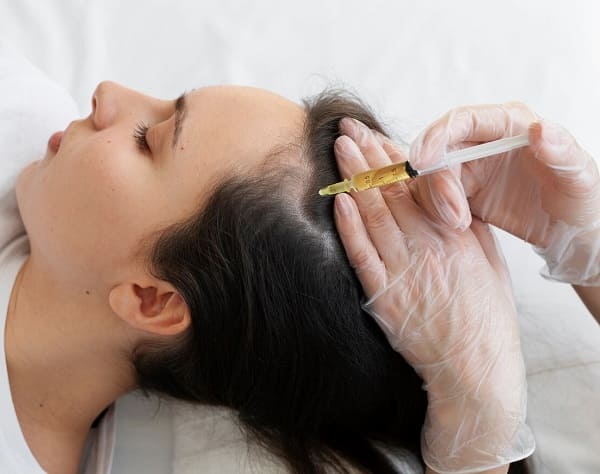
PRP hair treatment uses platelet-rich plasma prepared from a small sample of your own blood and injected into selected areas of the scalp. At Samnan Medical Center, treatment starts with a clinical assessment to understand the cause and pattern of your hair loss before PRP is recommended.
Doctor-led assessment
Your own blood-derived PRP
Personalised treatment plan
Clinical follow-up
Scalp assessment first

Hair-loss pattern and possible causes are reviewed

Autologous treatment

PRP is prepared from your own blood

Targeted injections

Selected thinning scalp areas are treated

Results monitored

Progress and maintenance needs are reviewed

Why patients consider PRP

A regenerative approach for selected hair-thinning concerns.

Research suggests PRP can improve hair density or thickness in some patients with androgenetic alopecia, but response varies and no treatment can guarantee regrowth.

01

Hair density support

PRP may help improve visible density in suitable men and women with pattern hair loss.

02

Hair thickness support

Some studies report improvement in hair shaft thickness following a course of PRP treatment.

03

Non-surgical option

PRP does not involve hair transplantation or surgical incisions and is performed as an outpatient treatment.

04

Uses your own plasma

The platelet concentrate is derived from your own blood, reducing exposure to donor-derived biological material.

WHY PATIENTS CHOOSE LASER

Two wavelengths. One personalised treatment strategy.

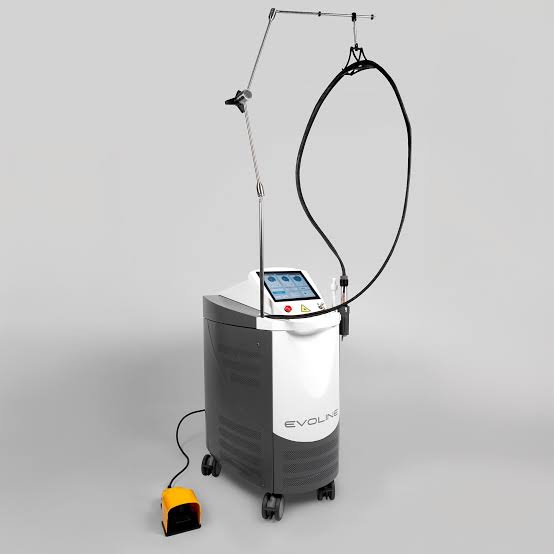
The Evoline platform used at Samnan Medical Center combines Alexandrite and Nd:YAG technologies. Your practitioner selects the wavelength and settings based on clinical assessment.

Latest Alexandrite

Nd Yag technology

Who may benefit

PRP works best when the hair follicles are still present.

The cause of hair loss matters. A consultation helps determine whether PRP, medication, laboratory investigation, another procedure or a combination approach is more appropriate.
01 · PATTERN HAIR LOSS

Male pattern hair loss

PRP is commonly considered for selected men with androgenetic alopecia, particularly where thinning follicles remain active.

02 · FEMALE HAIR THINNING

Female pattern hair loss

Women with progressive thinning may be candidates after the cause is assessed and underlying medical factors are considered.
03 · COMBINATION CARE

Part of a wider plan

PRP may sometimes be combined with other evidence-based hair-loss treatments when clinically appropriate.
MEDICAL TEAM AND SUPERVISION

Your treatment should be guided by qualified clinical professionals.

Dr. Arjun Kumar oversees patient suitability, clinical protocols and escalation when medical review is required. Laser sessions are performed by trained practitioners according to the clinic’s approved protocols.

600+

Happy Clients.

25+

Years Experience

How PRP works

A four-step clinical treatment process.

The exact preparation system and injection protocol can vary between clinics and patients. Publish only the protocol actually used at Samnan.
01

Consultation

Your clinician reviews your hair loss, scalp, medical history, medications and previous treatments.

02

Blood collection

A small amount of your blood is drawn using standard clinical technique.

03

PRP preparation

The blood is processed to separate a platelet-rich plasma fraction for treatment.

04

Scalp injections

PRP is injected into selected thinning areas of the scalp according to the treatment plan.

Before PRP

Prepare for your appointment

After PRP

Give the scalp time to settle

Common questions

PRP Hair Treatment FAQs

PRP stands for platelet-rich plasma. A sample of your own blood is processed to concentrate platelets, and the PRP is injected into selected areas of the scalp.


PRP may improve hair density or thickness in some patients, especially with androgenetic alopecia. Results vary and regrowth cannot be guaranteed.


Suitability depends on the diagnosis, stage of hair loss, scalp condition, general health and whether viable follicles remain. A clinical assessment is needed.


Protocols vary. Many treatment plans use an initial series followed by reassessment or maintenance, but the correct schedule should be determined by the treating clinician.


Hair growth is slow, so changes are not immediate. Evaluation usually requires time and comparison over several months rather than days or weeks.


Scalp injections can cause stinging, pressure or tenderness. Comfort varies between individuals and treatment areas.


Many patients resume routine activities quickly, although temporary scalp tenderness, redness or swelling can occur. Follow the clinic’s specific aftercare advice.


PRP is less likely to help where hair follicles are no longer viable. Advanced or long-standing bald areas may require a different treatment discussion.


Yes, PRP may be considered for suitable women with some forms of hair thinning, but hormonal, nutritional and medical causes should be evaluated.


In some patients, clinicians may combine PRP with other evidence-based treatments. The appropriate combination depends on diagnosis, medical history and individual goals.


Chat with us